


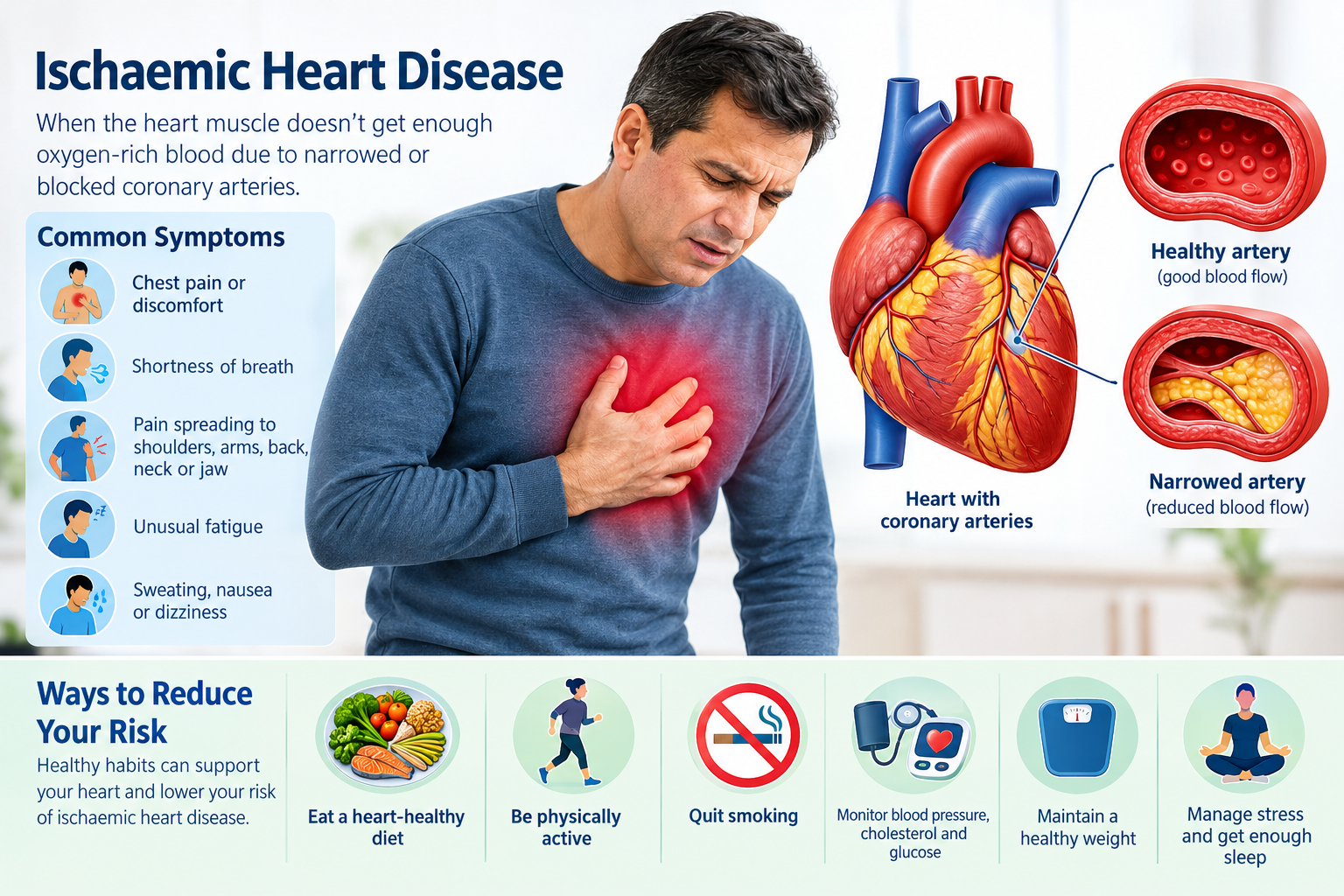
Ischaemic heart disease is a major cardiovascular condition that occurs when the heart muscle does not receive enough oxygen-rich blood. It usually develops when the coronary arteries, which supply blood to the heart, become narrowed or blocked. This can affect how well the heart functions and may lead to chest pain, shortness of breath, or a heart attack.
Understanding ischaemic heart disease can help people recognize warning signs, understand their risk factors, and make informed decisions about their health. Although some risk factors cannot be changed, appropriate medical care and healthy lifestyle choices can help reduce the risk of complications.
This guide explains what ischaemic heart disease is, its causes, common symptoms, diagnosis, treatment options, and practical steps that support better heart health.
What Is Ischaemic Heart Disease? 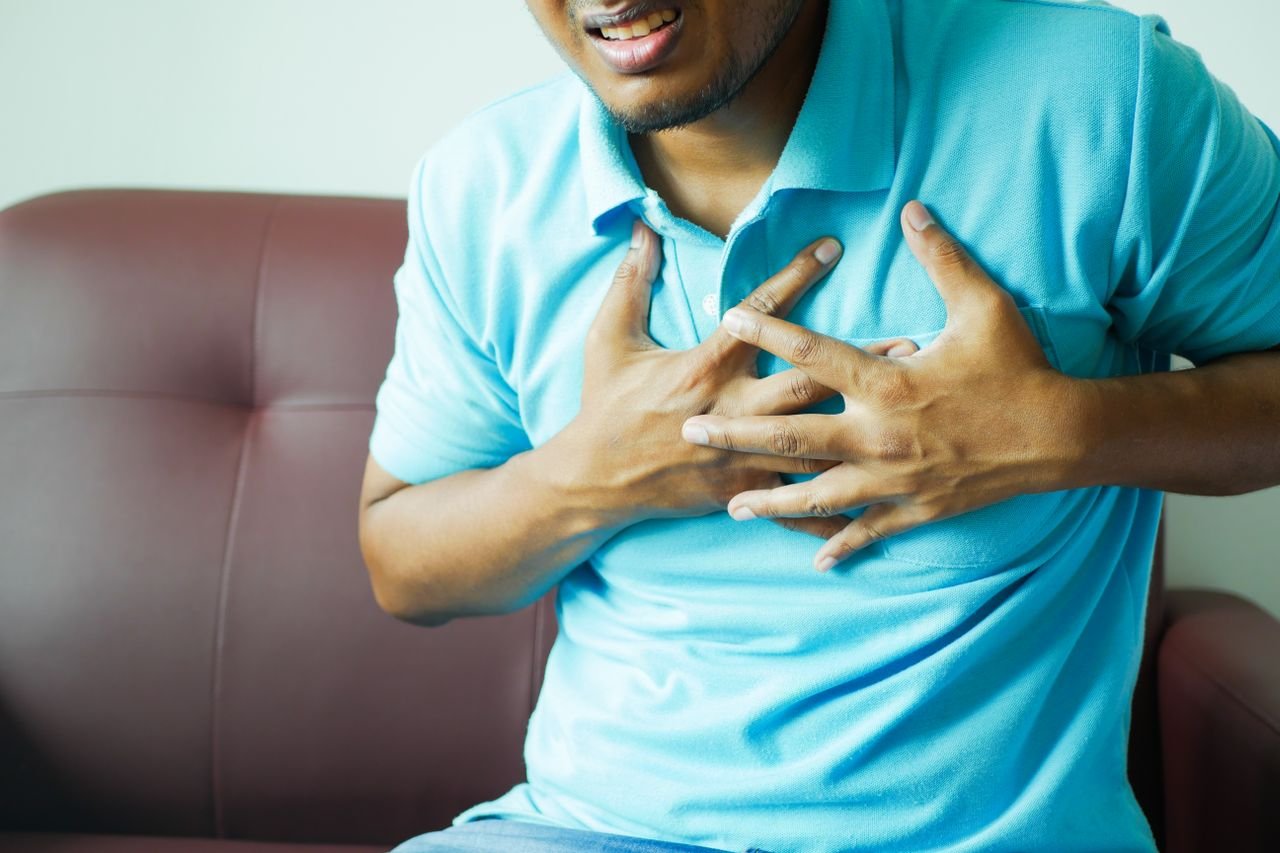
Ischaemic heart disease (IHD), also called coronary heart disease or coronary artery disease in many clinical contexts, occurs when blood flow to the heart muscle is reduced. The heart needs a continuous supply of oxygen and nutrients to pump blood throughout the body.
The condition most commonly develops when fatty deposits, known as plaques, build up inside the coronary arteries. This process is called atherosclerosis. As the arteries narrow, less blood may reach the heart muscle, particularly when the body needs more oxygen during physical activity or emotional stress.
If blood flow becomes severely restricted or a coronary artery becomes suddenly blocked, part of the heart muscle may be damaged. A heart attack is one possible consequence.
How Does Ischaemic Heart Disease Affect the Heart?
The effects depend on how much blood flow is reduced and how quickly the problem develops.
- Reduced blood supply: The heart muscle receives less oxygen than it needs.
- Chest discomfort: Reduced oxygen supply may cause pressure, tightness, or pain in the chest, often during exertion.
- Reduced heart function: Severe or prolonged damage can weaken the heart muscle.
- Heart attack: A sudden interruption of blood flow can cause permanent damage to part of the heart muscle.
Some people have significant coronary artery disease without obvious symptoms. This is one reason regular medical assessment is important for people with relevant risk factors.
Causes of Ischaemic Heart Disease
The most common underlying cause is atherosclerosis, in which cholesterol, inflammatory material, and other substances accumulate in artery walls.
Over time, these deposits can narrow the arteries and limit blood flow. In some cases, a plaque ruptures and triggers the formation of a blood clot, which can suddenly obstruct an artery.
Other conditions involving the coronary arteries can also reduce blood supply to the heart, including coronary artery spasms and certain forms of coronary microvascular dysfunction.
Main Risk Factors
Several factors can increase a person’s likelihood of developing this condition.
1. High blood pressure
Persistently elevated blood pressure can damage artery walls and contribute to the development of cardiovascular disease.
2. High cholesterol
Elevated levels of low-density lipoprotein (LDL) cholesterol can contribute to plaque formation in the coronary arteries.
3. Smoking and tobacco use
Smoking damages blood vessels, promotes plaque development, and increases the risk of blood clots.
4. Diabetes
High blood glucose levels over time can damage blood vessels and increase the risk of coronary artery disease.
5. Physical inactivity
A sedentary lifestyle can contribute to high blood pressure, unhealthy cholesterol levels, excess body weight, and other cardiovascular risk factors.
6. Unhealthy dietary patterns
A diet frequently high in salt, saturated fats, and heavily processed foods may contribute to cardiovascular risk, especially when combined with other risk factors.
7. Age and family history
The risk generally increases with age. Having a close family member who developed cardiovascular disease at a relatively young age may also increase personal risk.
8. Excess body weight
Excess body fat can contribute to high blood pressure, diabetes, and abnormal cholesterol levels.
Having one or more risk factors does not mean that a person will definitely develop the disease. However, understanding these factors can help people take appropriate preventive steps.
Symptoms of Ischaemic Heart Disease
Symptoms vary between individuals. Some people experience noticeable discomfort, while others have few or no symptoms until a serious complication occurs.
Common Warning Signs
Chest pain or discomfort: Often described as pressure, squeezing, heaviness, or tightness in the chest. It may occur during exercise, emotional stress, or other situations that increase the heart’s demand for oxygen.
Shortness of breath: A person may feel breathless during activity or, in more advanced cases, at rest.
Pain spreading to other areas: Discomfort may spread to the shoulders, arms, back, neck, jaw, or upper abdomen.
Unusual fatigue: Some people, particularly older adults and people with diabetes, may experience unusual tiredness or reduced exercise tolerance.
Sweating, nausea, or dizziness: These symptoms may accompany a heart attack or another cardiovascular emergency.
Not everyone experiences the same symptoms. Women, older adults, and people with diabetes may sometimes have less typical warning signs.
https://www.who.int/news-room/fact-sheets/detail/heart-attack?utm_source=chatgpt.com
When Should You Seek Emergency Medical Help?
Seek emergency medical assistance immediately if you experience new, severe, persistent, or unexplained chest pressure or pain, particularly if it occurs with shortness of breath, cold sweating, nausea, faintness, or discomfort spreading to the arm, back, neck, or jaw.
Do not assume that chest pain is harmless because it improves temporarily. A heart attack can be life-threatening, and prompt treatment can reduce damage to the heart muscle.
If you suspect a heart attack, contact your local emergency medical service and follow the dispatcher’s instructions. Do not delay seeking help to try home remedies.
How Is Ischaemic Heart Disease Diagnosed?
Doctors assess symptoms, medical history, risk factors, and test results to determine whether coronary artery disease is present and how serious it may be.
The tests selected depend on the person’s symptoms and clinical circumstances.
1. Medical History and Physical Examination
A healthcare professional may ask about chest discomfort, breathlessness, exercise tolerance, family history, smoking, diabetes, and blood pressure. A physical examination can help identify other possible causes of symptoms.
2. Electrocardiogram (ECG)
An ECG records the heart’s electrical activity. It can help identify certain signs of reduced blood supply, a previous heart attack, or an ongoing heart attack. However, a normal ECG does not rule out all forms of coronary artery disease.
3. Blood Tests
Blood tests may measure cholesterol, blood glucose, and other indicators of cardiovascular health. If a heart attack is suspected, doctors may test cardiac troponin, a protein released into the blood when heart muscle cells are injured.
4. Echocardiogram
An echocardiogram uses ultrasound to create images of the heart. It can assess how well the heart pumps blood and whether parts of the heart muscle are moving abnormally.
5. Coronary CT Angiography or Other Imaging
Coronary CT angiography can help identify narrowing in the coronary arteries. Depending on the situation, doctors may also recommend stress testing or other imaging examinations.
6. Coronary Angiography
In selected cases, a doctor may use a catheter and contrast material to examine the coronary arteries directly. This test can help determine the location and severity of blockages and guide treatment decisions.
Not everyone needs every test. The appropriate diagnostic approach depends on symptoms, risk, examination findings, and the judgment of the treating clinician.
Treatment Options for Ischaemic Heart Disease
Treatment aims to improve blood flow when necessary, control symptoms, reduce the risk of heart attacks, and prevent further cardiovascular complications.
The best approach depends on the severity of the disease, other medical conditions, and the person’s overall health.
1. Medications
Doctors may prescribe different medicines according to a person’s needs.
- Cholesterol-lowering medicines: Statins are commonly used to lower LDL cholesterol and reduce cardiovascular risk.
- Antiplatelet medicines: In selected patients, medicines such as aspirin may reduce the risk of blood clots. They are not appropriate for everyone because they can cause bleeding.
- Blood pressure medicines: Certain medicines can control blood pressure and may also reduce the heart’s workload.
- Anti-anginal medicines: Treatments such as nitrates or beta blockers may help manage chest discomfort in appropriate patients.
Medicines should be taken as prescribed. Do not start, stop, or change heart medication without consulting a qualified healthcare professional.
2. Angioplasty and Stent Placement
For selected patients with significant coronary artery narrowing, a procedure called percutaneous coronary intervention (PCI) may be recommended.
A doctor guides a catheter into the affected artery, usually through an artery in the wrist or groin. A small balloon may be used to widen the narrowed area, and a stent may be placed to help keep the artery open.
This procedure can be especially important during certain heart attacks. For stable coronary disease, its benefits depend on the clinical situation and whether symptoms or other findings justify intervention.
3. Coronary Artery Bypass Surgery
Coronary artery bypass grafting (CABG) is an operation that creates an alternative route for blood to flow around narrowed or blocked coronary arteries.
It may be recommended for some people with extensive disease, certain patterns of arterial narrowing, or other clinical circumstances in which surgery is expected to provide important benefits.
4. Cardiac Rehabilitation
Cardiac rehabilitation is a medically supervised programme that may combine exercise, education, nutrition guidance, risk-factor management, and emotional support.
It can help eligible patients recover after certain heart conditions or procedures and learn how to manage their cardiovascular health more effectively.
Treatment decisions should be individualized. A procedure is not necessary for every patient, and medication alone may be appropriate for some people.
How to Prevent or Reduce the Risk of Ischaemic Heart Disease
Not every case can be prevented, but many important risk factors can be managed. Small, consistent changes can support long-term cardiovascular health.
Follow a Heart-Healthy Eating Pattern
Choose a varied diet that includes vegetables, fruits, whole grains, beans, lentils, nuts, and other nutritious foods. When possible, select healthier unsaturated fats, such as those found in olive oil, nuts, and fish.
Limit excessive salt, processed meats, sugary drinks, and foods high in saturated or trans fats. The best dietary plan should also reflect personal health needs, food availability, and cultural preferences.
Be Physically Active
Regular physical activity can support blood pressure control, cholesterol management, blood glucose regulation, and general fitness.
For many adults, a common public health target is at least 150 minutes of moderate-intensity aerobic activity each week, or an equivalent amount of more vigorous activity. However, people with known heart disease or symptoms should ask their healthcare professional what level of activity is safe for them.
Walking may be a practical starting point for some people, but exercise plans should be adjusted to individual ability and medical advice.
Stop Smoking and Avoid Tobacco
Quitting smoking can improve cardiovascular health and reduce the risk of heart disease. Avoiding second-hand smoke is also beneficial.
People who find quitting difficult can ask a healthcare professional about counselling and evidence-based support.
Monitor Blood Pressure, Cholesterol, and Blood Glucose
Regular health checks can identify problems before symptoms develop. People with high blood pressure, diabetes, or elevated cholesterol may benefit from a personalized plan involving lifestyle changes and medication where appropriate.
Maintain a Healthy Weight
If weight management is appropriate, gradual and sustainable changes to eating habits and physical activity are generally more useful than extreme diets.
Get Enough Sleep and Manage Stress
Consistent sleep habits and practical stress-management techniques can support overall well-being. These measures do not replace medical treatment, but they can complement a broader heart-health plan.
Attend Medical Appointments
People with established coronary artery disease should follow their treatment plan, attend recommended check-ups, and discuss new or worsening symptoms promptly.
Possible Complications of Ischaemic Heart Disease
Without appropriate management, the condition can lead to serious health problems. The risk varies depending on the severity of the disease and other medical factors.
Possible complications include:
https://www.who.int/news-room/fact-sheets/detail/heart-attack?utm_source=chatgpt.com
- Heart attack: Sudden blockage of blood flow damages heart muscle.
- Heart failure: The heart becomes unable to pump blood effectively enough to meet the body’s needs.
- Abnormal heart rhythms: Changes in the heart’s electrical activity may cause palpitations, dizziness, fainting, or more serious complications.
- Reduced physical capacity: Poor blood supply or damage to the heart may limit everyday activities.
- Sudden cardiac arrest: In some cases, a dangerous electrical disturbance causes the heart to stop pumping effectively.
Early recognition, appropriate treatment, and long-term risk-factor management can help reduce the likelihood of some complications.
Ischaemic Heart Disease and Heart Attack: What Is the Difference?
These terms are related, but they do not mean exactly the same thing.
| Feature | Ischaemic heart disease | Heart attack |
|---|---|---|
| Meaning | A condition involving inadequate blood supply to the heart muscle | An acute event in which heart muscle is injured, usually because blood flow is blocked |
| Timing | Often develops over time | Usually occurs suddenly |
| Symptoms | May cause recurring chest discomfort or no obvious symptoms | May cause chest pain, breathlessness, sweating, nausea, or less typical symptoms |
| Treatment | May involve lifestyle changes, medication, procedures, or surgery | Requires urgent medical assessment and treatment |
A heart attack can be a complication of coronary artery disease. However, reduced blood flow to the heart can occur without a heart attack, and not every heart attack follows a known history of symptoms.
Living With Ischaemic Heart Disease
A diagnosis does not mean that every person will experience the same symptoms or complications. Many people manage the condition over the long term with appropriate medical care and lifestyle changes.
Practical steps include:
- Understand your prescribed medicines and take them consistently.
- Attend follow-up appointments and recommended tests.
- Ask your healthcare professional about safe physical activity.
- Make realistic changes to eating habits and tobacco use.
- Learn the warning signs of a heart attack and when to seek emergency help.
- Tell your healthcare team about new symptoms, medication side effects, or difficulties following your treatment plan.
It is also useful to involve trusted family members or caregivers when extra support is needed. Clear communication can help people follow treatment recommendations and respond quickly to emergencies.
Frequently Asked Questions About Ischaemic Heart Disease
1. What is the main cause of ischaemic heart disease?
The most common cause is atherosclerosis, in which fatty deposits build up inside the coronary arteries and restrict blood flow to the heart muscle. Smoking, high cholesterol, high blood pressure, diabetes, and other factors can contribute to its development.
2. Can ischaemic heart disease be cured?
There is no single cure that applies to every case. Treatment can control symptoms, lower cardiovascular risk, and improve quality of life. Some procedures can improve blood flow, but they do not necessarily eliminate the underlying tendency to develop coronary artery disease.
3. What are the early symptoms of ischaemic heart disease?
Possible early symptoms include chest pressure or discomfort during physical activity, breathlessness, and reduced exercise tolerance. However, some people have no noticeable symptoms. New or unexplained chest discomfort should be medically assessed, and possible heart attack symptoms require emergency help.
4. Can lifestyle changes help manage ischaemic heart disease?
Yes. A heart-healthy diet, regular activity appropriate to the person’s condition, smoking cessation, and control of blood pressure, cholesterol, and diabetes can help reduce cardiovascular risk. Lifestyle changes should complement, rather than replace, prescribed treatment.
5. Is ischaemic heart disease the same as coronary artery disease?
The terms are closely related and are often used interchangeably. Coronary artery disease usually describes disease of the arteries supplying the heart, commonly due to atherosclerosis. Ischaemic heart disease emphasizes the resulting reduction in blood supply to the heart muscle.
Conclusion
Ischaemic heart disease is a common cardiovascular condition that develops when the heart muscle receives an insufficient supply of oxygen-rich blood. It can cause chest discomfort, breathlessness, and serious complications, including heart attacks. However, symptoms, severity, and treatment needs differ from person to person.
Understanding the risk factors, recognizing warning signs, attending medical check-ups, and following an appropriate treatment plan can make an important difference to long-term heart health. Healthy lifestyle habits are valuable, but they should never replace urgent medical care when serious symptoms occur.
Medical note: This article provides general educational information and is not a substitute for diagnosis or personalized medical advice. Consult a qualified healthcare professional about individual symptoms, risk factors, and treatment decisions. Seek emergency assistance if a heart attack is suspected.
https://www.nhs.uk/conditions/coronary-heart-disease/?utm_source=chatgpt.com
Ladies and gentlemen, an important topic regarding HIV/AIDS is available here for you; if you are interested, please click the link to read it. https://kaskeymarketer.com/hiv-aids/