


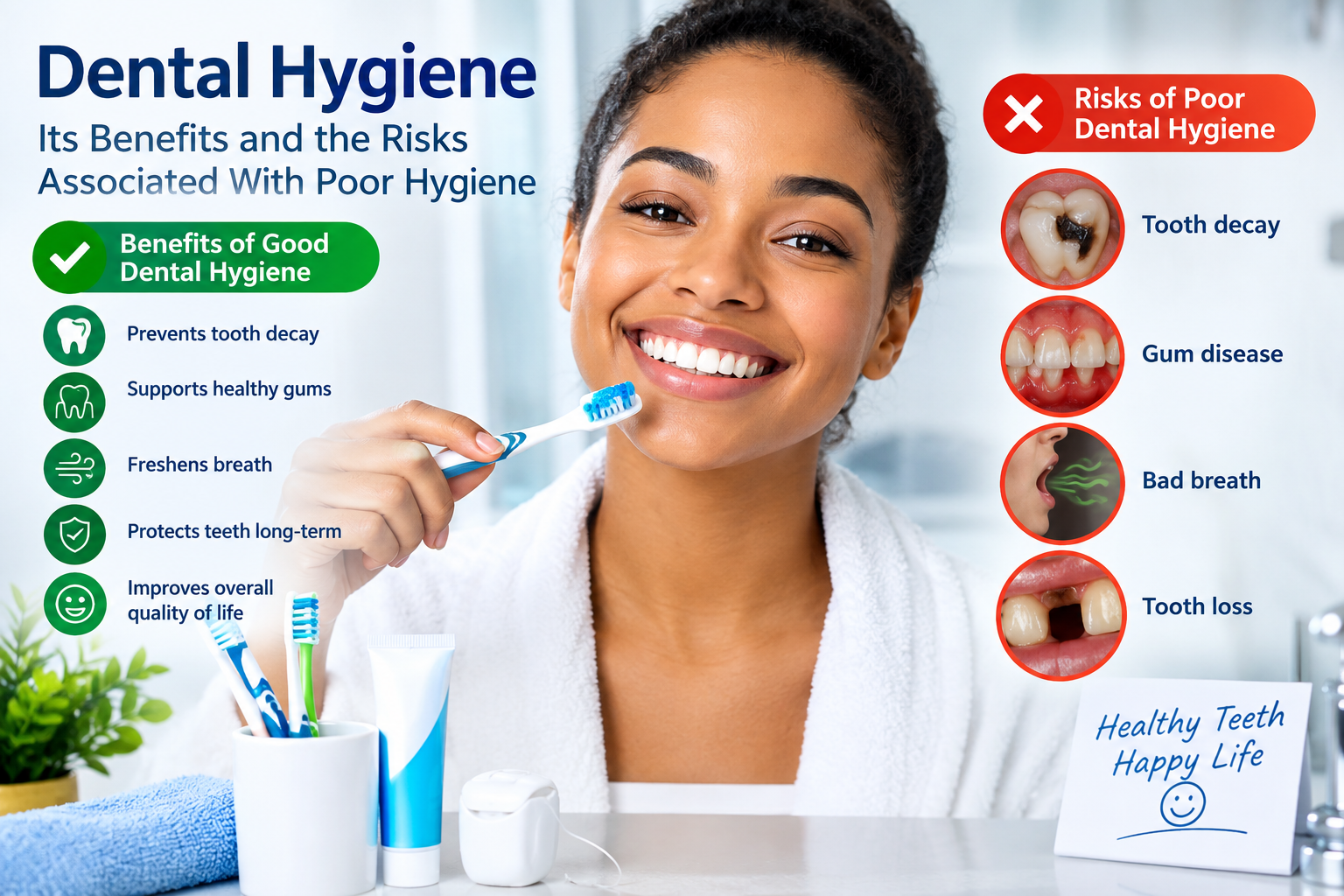
Good dental hygiene is an important part of maintaining a healthy mouth. Daily habits such as brushing, cleaning between the teeth, and having regular dental checkups can help remove plaque and food particles that contribute to common oral health problems.
Poor dental hygiene, on the other hand, can allow plaque to build up around the teeth and gums. Over time, this may contribute to problems such as tooth decay, gum disease, bad breath, and tooth loss.
This guide explains dental hygiene: its benefits and the risks associated with poor hygiene, along with practical habits that can help people take better care of their teeth and gums.
What Is Dental Hygiene? 
Dental hygiene refers to the daily care and professional care used to keep the teeth, gums, and mouth clean and healthy.
Good oral care involves more than simply brushing your teeth. It includes cleaning between the teeth, maintaining healthy habits, limiting frequent exposure to sugary foods and drinks, and visiting a dental professional when appropriate.
A consistent routine can help remove plaque before it causes damage.
Why Is Dental Hygiene Important?
The mouth contains many microorganisms, and plaque can form continuously on the surfaces of the teeth. If plaque is not removed effectively, it can contribute to tooth decay and gum problems.
Maintaining good dental hygiene can help:
- Keep teeth cleaner
- Reduce plaque buildup
- Protect the gums
- Reduce the risk of tooth decay
- Help prevent or manage bad breath
- Support comfortable chewing
- Make it easier to identify oral health problems early
Dental hygiene is therefore not just about having a clean-looking smile. It is an important part of everyday oral care.
Benefits of Good Dental Hygiene
1. Helps Prevent Tooth Decay 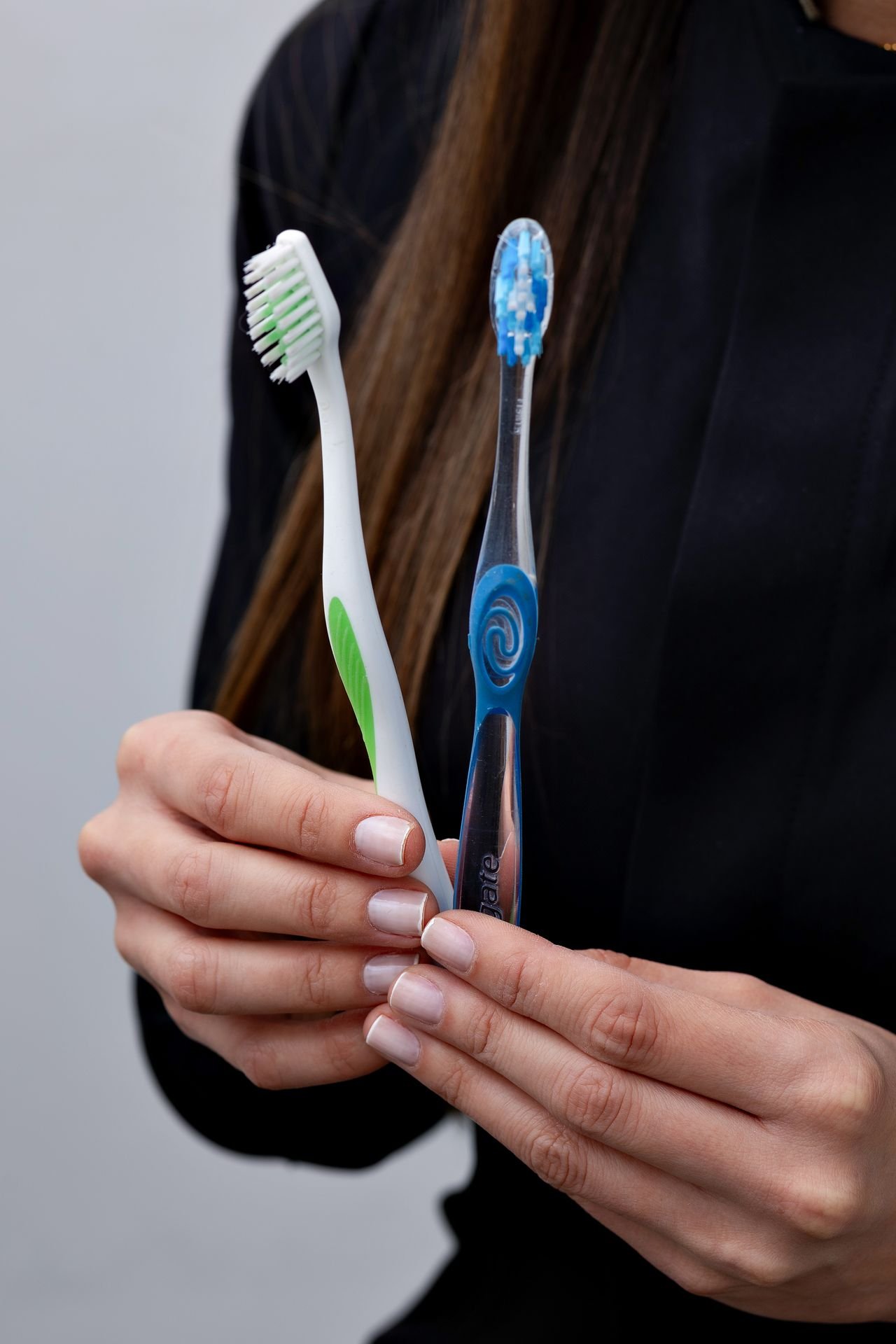
Tooth decay develops when acids produced by bacteria contribute to damage of the tooth surface. Plaque and frequent consumption of sugary foods and drinks can increase the conditions that contribute to decay.
Brushing with fluoride toothpaste and cleaning between the teeth can help remove plaque and food debris.
If a tooth becomes painful or develops a visible cavity, professional dental care may be necessary.
2. Supports Healthy Gums
Healthy gums are an important part of oral health. Plaque that remains around the gumline can irritate the gums and contribute to gum disease.
Regular brushing and cleaning between the teeth can help keep plaque under control.
Signs of possible gum problems can include persistent bleeding, swelling, redness, tenderness, or changes around the teeth. These symptoms should not simply be ignored.
3. Helps Control Bad Breath 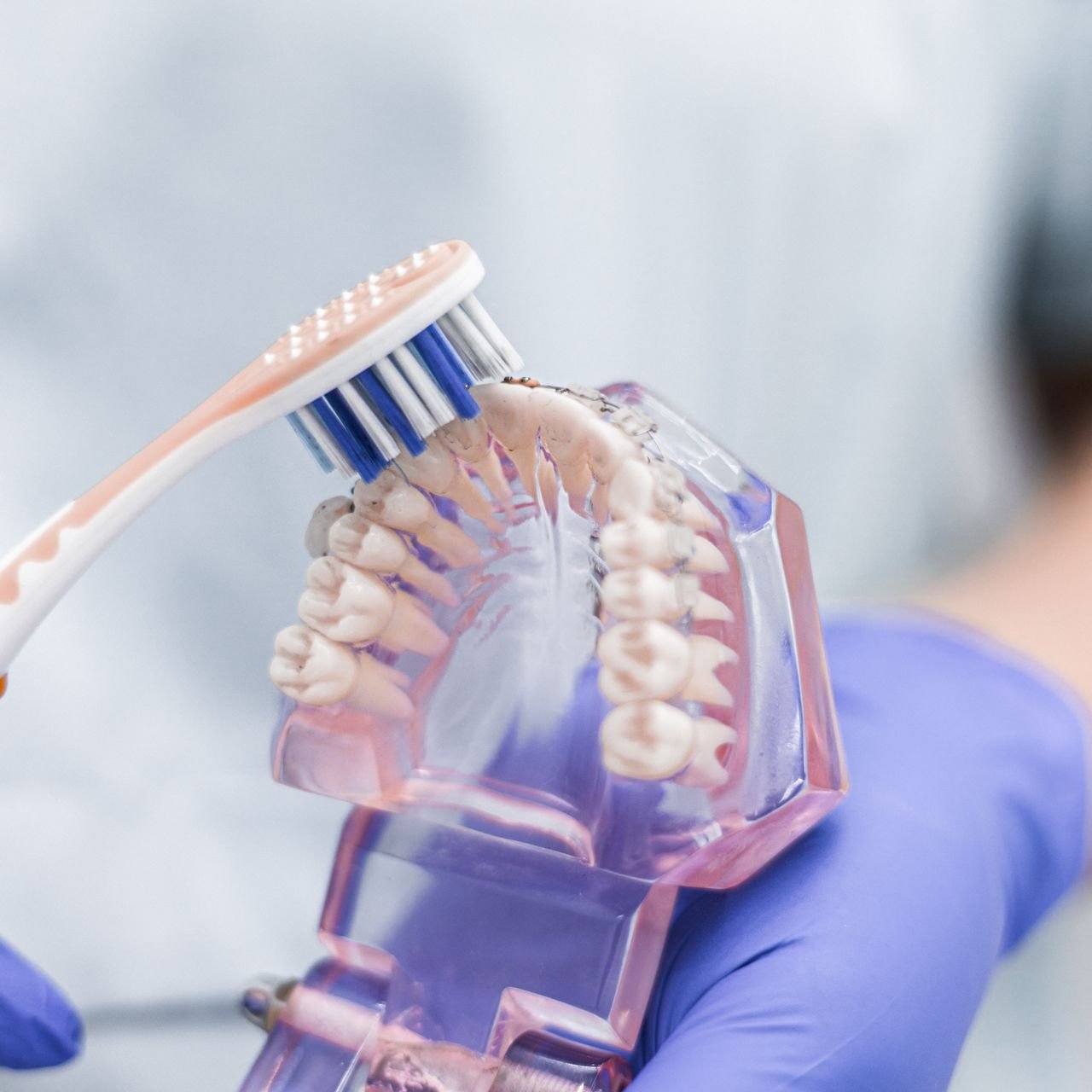
Bad breath can have several causes, including food particles, plaque, bacteria, dry mouth, certain foods, and some medical or dental conditions.
Cleaning the teeth, tongue, and spaces between the teeth can help reduce some common oral causes of unpleasant breath.
Persistent bad breath despite good oral care may require evaluation by a dental professional.
4. Helps Protect Teeth Over Time
Teeth are exposed to food, beverages, bacteria, and acids every day. A consistent oral-care routine helps reduce the accumulation of plaque and supports the structures surrounding the teeth.
Good habits started early can also make oral care easier to maintain throughout life.
5. Supports a Comfortable Mouth
Healthy teeth and gums can make everyday activities such as eating, speaking, and smiling more comfortable.
Pain, sensitivity, swollen gums, or damaged teeth can interfere with normal activities, which is another reason regular oral care matters.
Risks Associated With Poor Dental Hygiene
Understanding dental hygiene: its benefits and the risks associated with poor hygiene also means understanding what can happen when oral care is neglected.
Tooth Decay
One of the most common consequences of inadequate oral care is tooth decay.
When plaque remains on teeth, bacteria can contribute to acids that damage tooth enamel. If decay progresses, it may eventually cause pain or require professional treatment.
Gum Disease
Poor plaque control can contribute to gum disease.
Early gum disease may cause symptoms such as red, swollen, or bleeding gums. More advanced gum disease can affect the tissues and structures supporting the teeth.
Because gum disease can progress without severe pain in some people, regular dental assessment can be valuable.
Tooth Loss
Severe untreated tooth decay or advanced gum disease can damage the structures needed to keep teeth healthy and stable.
In some cases, extensive damage may eventually result in tooth loss.
Good dental hygiene cannot prevent every dental problem, but it can reduce several preventable risks.
Persistent Bad Breath
Poor oral hygiene can allow bacteria and food particles to accumulate in the mouth, contributing to unpleasant breath.
If bad breath continues despite improving oral care, it is worth discussing the problem with a dentist or another qualified healthcare professional because there may be another underlying cause.
Dental Pain and Sensitivity
Untreated decay, gum problems, damaged teeth, or other dental conditions can result in discomfort or sensitivity.
Pain should not be treated as something that simply needs to be tolerated. Finding the cause is important, particularly when symptoms persist or become worse.
How to Maintain Good Dental Hygiene
A practical dental hygiene routine does not need to be complicated.
Brush Your Teeth Regularly
Brush your teeth with fluoride toothpaste and a suitable toothbrush. Use gentle movements and clean the surfaces of the teeth as well as the gumline.
Brushing too aggressively is not necessary and can irritate the gums.
For detailed guidance on brushing and oral care, readers can consult the American Dental Association for evidence-based information.
Clean Between Your Teeth
A toothbrush cannot effectively reach every space between the teeth.
Depending on your needs, dental floss or an appropriate interdental cleaning device can help clean these areas.
Cleaning between the teeth is particularly useful for removing plaque and food particles from places a toothbrush may miss.
Clean Your Tongue
The tongue can collect bacteria and food debris. Gently cleaning the tongue as part of an oral-care routine can help keep the mouth feeling cleaner.
A tongue cleaner can be used if desired, although it should be used gently.
Be Mindful of Sugary Foods and Drinks
Frequent consumption of foods and drinks containing free sugars can contribute to the risk of tooth decay.
This does not mean that people must completely eliminate every sweet food. Rather, paying attention to frequency and maintaining good oral hygiene can be helpful.
Water is generally a useful choice for hydration, particularly between meals.
Replace Your Toothbrush When Necessary
A toothbrush with worn or damaged bristles may not clean as effectively as it should.
Follow the replacement guidance associated with your toothbrush and replace it sooner if the bristles become significantly worn.
Visit a Dental Professional
Professional dental care can help identify problems that may not be obvious during everyday brushing.
A dentist can assess the condition of the teeth and gums and recommend care based on an individual’s oral health needs.
The appropriate frequency of dental visits can vary from person to person.
Common Dental Hygiene Mistakes to Avoid
Even people who brush regularly can make mistakes that reduce the effectiveness of their routine.
Brushing Too Hard
More pressure does not necessarily mean better cleaning. Aggressive brushing may irritate the gums and can contribute to wear of tooth surfaces.
Use gentle pressure and take enough time to clean all areas.
Ignoring the Gumline
Plaque can accumulate around the edges of the gums. When brushing, pay attention to this area rather than concentrating only on the visible surfaces of the teeth.
Cleaning Only the Front Teeth
It is easy to focus on the teeth that are most visible when smiling. However, the back teeth and areas between the teeth also require regular attention.
Ignoring Warning Signs
Persistent bleeding, swelling, pain, loose teeth, sensitivity, or other unusual changes should not automatically be considered normal.
Getting professional advice can help identify the cause.
Dental Hygiene for Children
Dental hygiene should begin early.
Parents and caregivers can help children develop regular brushing habits and learn why taking care of their teeth matters. Young children may need supervision or assistance because they may not yet have the coordination needed to clean their teeth effectively.
As children grow, encouraging consistent oral-care habits can help establish a routine that continues into adulthood.
Dental Hygiene and Overall Health
The mouth is connected to the rest of the body, and oral health is an important component of general health.
Certain health conditions can affect oral health, and some oral conditions can be associated with broader health concerns. However, it is important not to overstate these relationships or assume that good dental hygiene prevents every disease.
For reliable information about oral health and its relationship with general health, the World Health Organization provides general oral-health information.
When Should You See a Dentist?
You should consider professional dental advice if you experience persistent or concerning symptoms such as:
- Toothache
- Swollen or painful gums
- Persistent bleeding from the gums
- A loose permanent tooth
- Significant tooth sensitivity
- A damaged or broken tooth
- Persistent bad breath
- Changes or sores in the mouth that do not resolve
A dental professional can determine whether these symptoms are caused by a dental condition or require further evaluation.
A Simple Daily Dental Hygiene Routine
A basic routine can be organized into a few practical steps:
- Brush your teeth with fluoride toothpaste.
- Clean between your teeth regularly.
- Gently clean your tongue.
- Pay attention to sugary foods and drinks.
- Drink water regularly.
- Avoid tobacco products because they can negatively affect oral health.
- Attend dental appointments according to your individual needs.
- Seek professional advice when persistent symptoms appear.
The goal is consistency rather than perfection.
Frequently Asked Questions
1. What is the main benefit of good dental hygiene?
Good dental hygiene helps remove plaque and food debris and supports healthy teeth and gums. It can reduce the risk of common oral problems such as tooth decay and gum disease.
2. What can happen if dental hygiene is poor?
Poor oral hygiene can contribute to plaque buildup, tooth decay, gum disease, bad breath, discomfort, and, in severe untreated cases, tooth loss.
3. Is brushing alone enough for good dental hygiene?
Brushing is essential, but it does not clean every area between the teeth. Cleaning between the teeth is also an important part of maintaining oral hygiene.
4. Why can gums bleed when brushing?
Bleeding gums can have several causes, including plaque-related gum inflammation. If bleeding is persistent or frequent, it is sensible to discuss it with a dental professional rather than assuming it is normal.
5. How often should I visit a dentist?
There is no single schedule that is appropriate for everyone. Dental professionals may recommend different intervals depending on a person’s oral health, risk factors, age, and treatment needs.
Conclusion
Dental hygiene: its benefits and the risks associated with poor hygiene are important considerations for anyone who wants to maintain healthy teeth and gums. Simple habits such as brushing with fluoride toothpaste, cleaning between the teeth, managing frequent sugar intake, and receiving appropriate professional dental care can support good oral health.
Poor dental hygiene does not automatically mean that someone will develop a serious dental condition, but neglecting oral care can increase the risk of several common problems. Paying attention to warning signs and seeking professional advice when necessary can help address problems before they become more difficult to manage.
Good dental hygiene is ultimately about consistent daily care and making informed decisions about your oral health. Ladies and gentlemen, we have an interesting topic here about how to reduce body fat; if you are interested, click here to read it. https://kaskeymarketer.com/fat-loss/