



Bodybuilding is a form of resistance training that focuses on developing muscle, strength, fitness, and overall physical development. While competitive bodybuilding has specific goals, many people use bodybuilding-style workouts to become stronger, build muscle, improve fitness, and develop healthy exercise habits.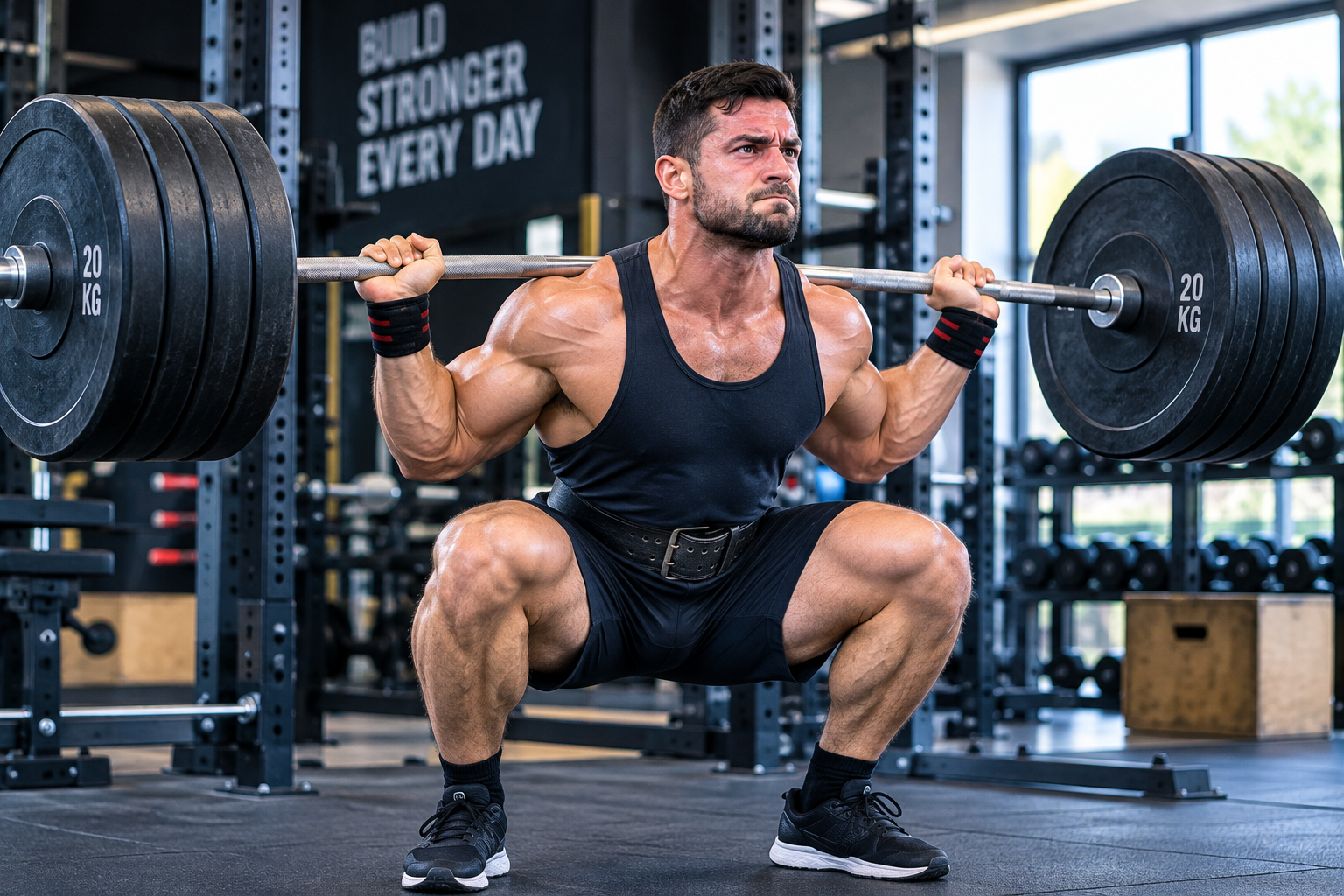
Starting a bodybuilding routine does not require complicated exercises or expensive equipment. Beginners can make progress by learning proper exercise technique, following a realistic workout plan, eating a balanced diet, and allowing enough time for recovery.
This guide explains the basics of bodybuilding, including workouts, nutrition, recovery, safety, common mistakes, and practical tips for beginners.
What Is Bodybuilding?
Bodybuilding involves structured resistance exercises that challenge the muscles and encourage them to adapt over time. Training can include free weights, machines, resistance bands, cables, or bodyweight exercises.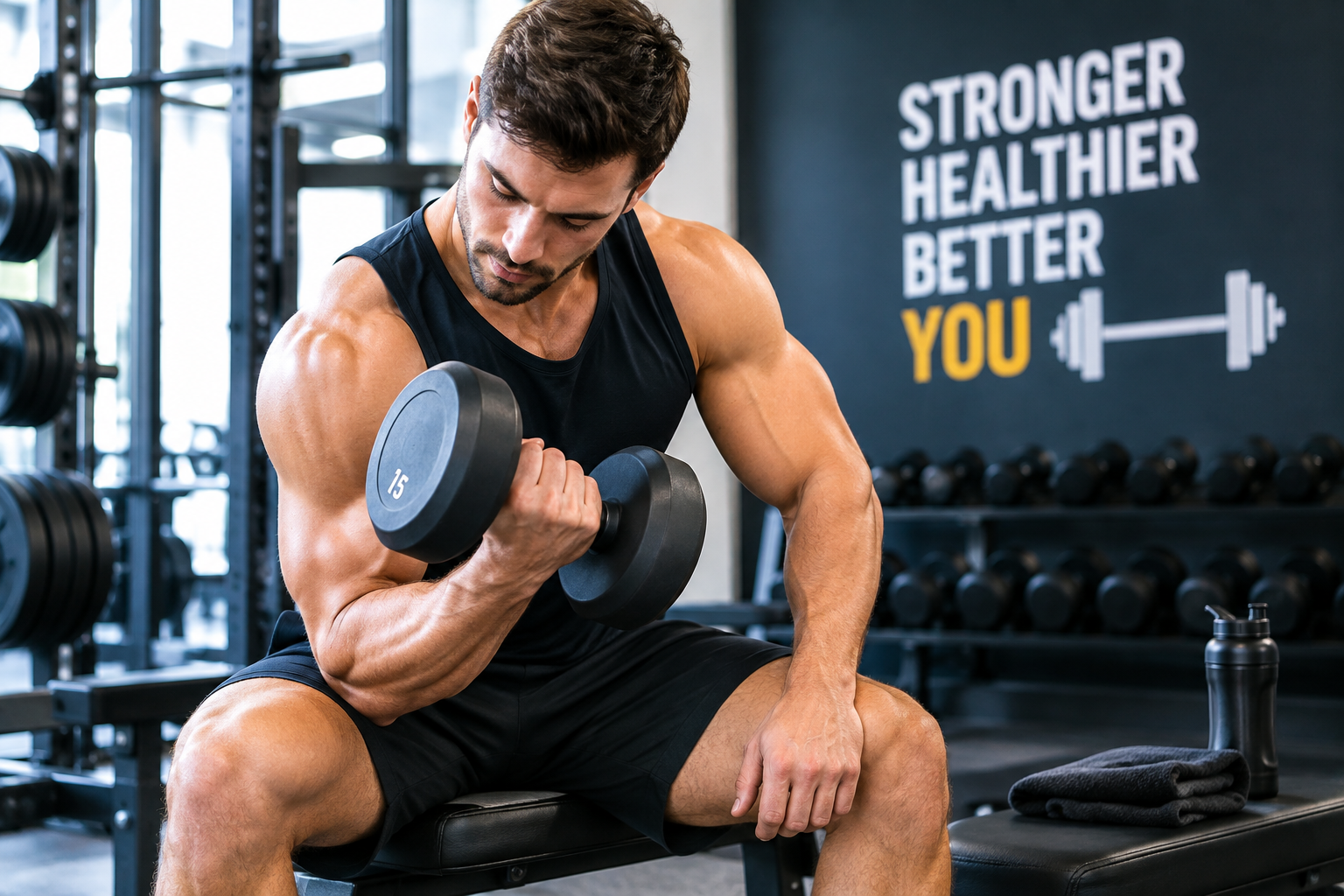
A typical bodybuilding workout may target major muscle groups such as the chest, back, shoulders, arms, legs, and core.
The goal is not simply to lift the heaviest weight possible. Good technique, consistency, appropriate progression, nutrition, and recovery are all important parts of a sustainable training routine.
Benefits of Bodybuilding
Resistance training can provide several physical and fitness benefits when performed appropriately.
Building Muscle
Regular resistance exercise can stimulate muscles to adapt to training. Combined with appropriate nutrition and recovery, consistent training can support muscle development.
Improving Strength
Resistance exercises can improve muscular strength. Beginners may notice that they can gradually perform exercises with better control or increased resistance as they gain experience.
Supporting Physical Fitness
Strength training can complement other activities such as walking, running, cycling, swimming, and recreational sports.
The CDC provides physical activity guidance for adults, including information about muscle-strengthening activities.
Supporting Everyday Activities
Developing stronger muscles can support physical tasks that are part of everyday life. Strength training can also be one component of an active lifestyle.
How to Start Bodybuilding as a Beginner
Beginners should avoid making their first workout unnecessarily complicated. A simple routine that can be followed consistently is a practical place to start.
1. Set a Realistic Goal
First, decide what you want to achieve.
Your goal might be:
- Building muscle
- Improving strength
- Improving general fitness
- Developing better exercise habits
- Supporting a healthy body composition
A clear goal can help you choose suitable exercises and organize your training schedule.
2. Learn Proper Exercise Technique
Technique should be a priority before increasing resistance.
Learn how each exercise should be performed and use a range of motion that you can control. If you are unsure about an exercise, consider getting guidance from a qualified fitness professional.
3. Start With Basic Exercises
A beginner routine can include exercises that work several major muscle groups.
Examples include:
- Squats or leg presses
- Lunges
- Push-ups or bench presses
- Rows
- Lat pulldowns
- Shoulder presses
- Hip-hinge exercises
- Biceps curls
- Triceps exercises
- Core exercises
You do not need to perform all of these exercises in one workout. Choose movements that fit your goals, experience, equipment, and physical abilities.
4. Increase the Challenge Gradually
Progressive training means gradually making your workouts more challenging.
Progress can come from:
- Adding a small amount of resistance
- Performing additional repetitions
- Improving exercise technique
- Increasing training volume carefully
- Performing movements with better control
The American College of Sports Medicine provides information about exercise, resistance training, and physical fitness.
A Simple Bodybuilding Workout Structure
A beginner can organize a workout around major movement patterns and muscle groups.
For example, a basic full-body session might include:
- A lower-body exercise
- A pushing exercise
- A pulling exercise
- A shoulder exercise
- An arm exercise
- A core exercise
The exact number of sets and repetitions should depend on your experience, goals, and ability to recover.
The CDC explains different types of muscle-strengthening activities, including weight training, resistance-band exercises, and bodyweight movements.
Bodybuilding and Nutrition
Nutrition is an important part of muscle development and exercise recovery. However, there is no single diet that is appropriate for everyone.
A balanced diet can include:
- Protein-rich foods
- Vegetables
- Fruits
- Whole grains and other carbohydrate sources
- Healthy sources of dietary fat
- Adequate fluids
Protein for Muscle Development
Protein provides amino acids that the body uses for many functions, including maintaining and repairing muscle tissue.
Common protein sources include:
- Eggs
- Fish
- Chicken
- Lean meat
- Milk and yogurt
- Beans
- Lentils
- Peas
- Tofu and other soy foods
The National Institutes of Health provides information about exercise, nutrition, and dietary supplements.
Carbohydrates and Energy
Carbohydrates can provide an important source of energy for physical activity.
Foods such as rice, oats, potatoes, fruits, and whole-grain products can fit into a balanced eating pattern.
Dietary Fat
Dietary fat is also part of a balanced diet. Foods such as nuts, seeds, avocados, olive oil, and some fish provide dietary fat and other nutrients.
Rather than focusing on one particular food, aim for a varied diet that provides a broad range of nutrients.
The Importance of Recovery
Recovery is an important part of bodybuilding and resistance training.
Muscles and other tissues need time to recover after demanding exercise. Training intensely without appropriate recovery can make it harder to maintain good exercise performance.
Useful recovery habits include:
- Getting enough sleep
- Eating balanced meals
- Drinking adequate fluids
- Taking rest days when appropriate
- Managing training volume
- Avoiding sudden increases in workload
Recovery needs vary between individuals, so pay attention to how your body responds to training.
If you experience persistent or severe pain, unusual weakness, dizziness, or another concerning symptom, stop the activity and seek appropriate medical advice.
Bodybuilding at Home vs. the Gym
Both home training and gym training can be useful.
| Training at Home | Training at a Gym |
|---|---|
| Convenient for many people | Access to more equipment |
| Can require little equipment | More exercise variations |
| Useful for beginners | More resistance options |
| Can save travel time | May offer professional guidance |
| Equipment can be limited | Membership costs may apply |
At home, you can use bodyweight exercises, resistance bands, dumbbells, or other suitable equipment.
A gym can provide machines, free weights, benches, cables, and other equipment that may make progressive training easier.
The best option is usually the one that fits your schedule, budget, goals, and preferences.
Common Bodybuilding Mistakes
Lifting Too Much Weight
Using more weight than you can control can negatively affect your exercise technique. Increase resistance gradually instead of trying to lift as much as possible.
Changing Programs Too Often
Constantly switching workouts can make it difficult to understand your progress. Give a sensible training plan enough time to evaluate how your body responds.
Ignoring Nutrition
Training is only one part of muscle development. A balanced diet provides nutrients needed for normal body functions and recovery.
Neglecting Recovery
More training is not automatically better. Recovery should be treated as part of the overall training process.
Comparing Yourself With Other People
People progress at different rates. Factors such as training history, genetics, nutrition, sleep, age, and consistency can influence results.
Focus on improving your own performance and habits rather than expecting your body to develop exactly like someone else’s.
Do You Need Supplements for Bodybuilding?
Supplements are not a requirement for beginning resistance training.
A balanced diet can provide many of the nutrients needed to support normal health and physical activity. Some people may have specific nutritional reasons for using supplements, but products vary considerably in ingredients, quality, and suitability.
Avoid products that promise instant muscle growth, dramatic physical changes, or guaranteed results.
The NIH Office of Dietary Supplements provides reliable information about dietary supplements and their potential benefits and risks.
If you are considering a supplement, especially if you take medication or have a health condition, discuss it with an appropriate healthcare professional.
How Long Does Bodybuilding Take to Show Results?
There is no universal timeline for bodybuilding results.
Progress can be influenced by:
- Training consistency
- Nutrition
- Sleep
- Recovery
- Training experience
- Genetics
- Age
- Starting fitness level
- Exercise program
Some beginners may notice improvements in exercise performance before they see major physical changes.
Instead of expecting dramatic results immediately, focus on building habits that can be maintained over time.
How to Track Your Progress
Tracking your training can help you understand how your routine is developing.
You can record:
- Exercises performed
- Resistance used
- Repetitions
- Sets
- Workout frequency
- Exercise technique
- General energy levels
Progress photos and body measurements may also be useful for some people, but they are not the only ways to measure improvement.
Increasing strength, improving technique, completing workouts consistently, and becoming more physically capable can all represent meaningful progress.
For more useful articles about technology, education, science, and lifestyle topics, visit the Kaskey Marketer website.
Bodybuilding Safety Tips
Safe training starts with appropriate exercises and controlled technique.
Keep these principles in mind:
- Prepare your body before demanding exercise.
- Learn proper technique before increasing resistance.
- Increase training difficulty gradually.
- Use exercise equipment correctly.
- Do not ignore persistent or severe pain.
- Give yourself appropriate recovery time.
- Stay hydrated.
- Avoid extreme diets and unverified performance products.
- Ask a qualified professional for guidance when you are unsure.
If you have a chronic health condition, disability, or another health concern, speak with an appropriate healthcare professional about the types and amounts of physical activity that are suitable for you.
The CDC provides additional physical activity guidance for people with chronic health conditions and disabilities.
Bodybuilding and a Healthy Lifestyle
Bodybuilding can be one part of a broader healthy lifestyle.
For overall health, adults are generally advised to combine aerobic activity with muscle-strengthening activity. Regular physical activity can be adapted to individual abilities, preferences, and goals.
This does not mean everyone needs to follow exactly the same routine. Your training schedule should reflect your experience, goals, abilities, and available time.
A balanced approach can include resistance training, aerobic activity, nutritious food, adequate recovery, and healthy daily habits.
Frequently Asked Questions
1. Is Bodybuilding suitable for beginners?
Yes. Beginners can start with basic resistance exercises and gradually develop their strength, technique, and fitness. Starting with manageable resistance is generally more appropriate than immediately attempting advanced workouts.
2. Can I do Bodybuilding at home?
Yes. Home workouts can use bodyweight exercises, resistance bands, dumbbells, or other suitable equipment. Your equipment will determine which exercises and resistance levels are available.
3. How often should I train?
There is no single schedule that works for everyone. Training frequency should depend on your goals, experience, available time, and recovery. A manageable routine that you can follow consistently is a practical starting point.
4. Do I need a special diet for Bodybuilding?
Not necessarily. A balanced diet containing adequate nutrients can support resistance training. Individual nutritional needs vary, so people with specific dietary or health requirements should consider professional guidance.
5. Is Bodybuilding the same as weightlifting?
They are related but are not exactly the same. Bodybuilding generally focuses on muscular development and physique, while weightlifting can refer broadly to resistance exercise or specifically to the Olympic sports of snatch and clean and jerk.
Conclusion
Bodybuilding can be a useful form of resistance training for people who want to develop muscle, improve strength, and support their overall fitness. Beginners do not need complicated programs or extreme approaches.
Start with basic exercises, learn proper technique, follow a balanced diet, increase training difficulty gradually, and give your body enough time to recover.
The most useful approach is one that can be followed consistently and safely over time. Avoid unrealistic promises and shortcuts, and focus instead on sustainable training habits and measurable progress.
Helpful Bodybuilding Resources
When learning about Bodybuilding, it is useful to use reliable health and fitness resources. The Centers for Disease Control and Prevention (CDC) provides information about physical activity and muscle-strengthening exercises. The National Institutes of Health (NIH) also provides information about exercise, nutrition, and dietary supplements. For additional guidance about resistance training and fitness, readers can visit the American College of Sports Medicine (ACSM).
We also have an article here about bodybuilding; click here to read it. https://kaskeymarketer.com/?p=1338&preview=true