


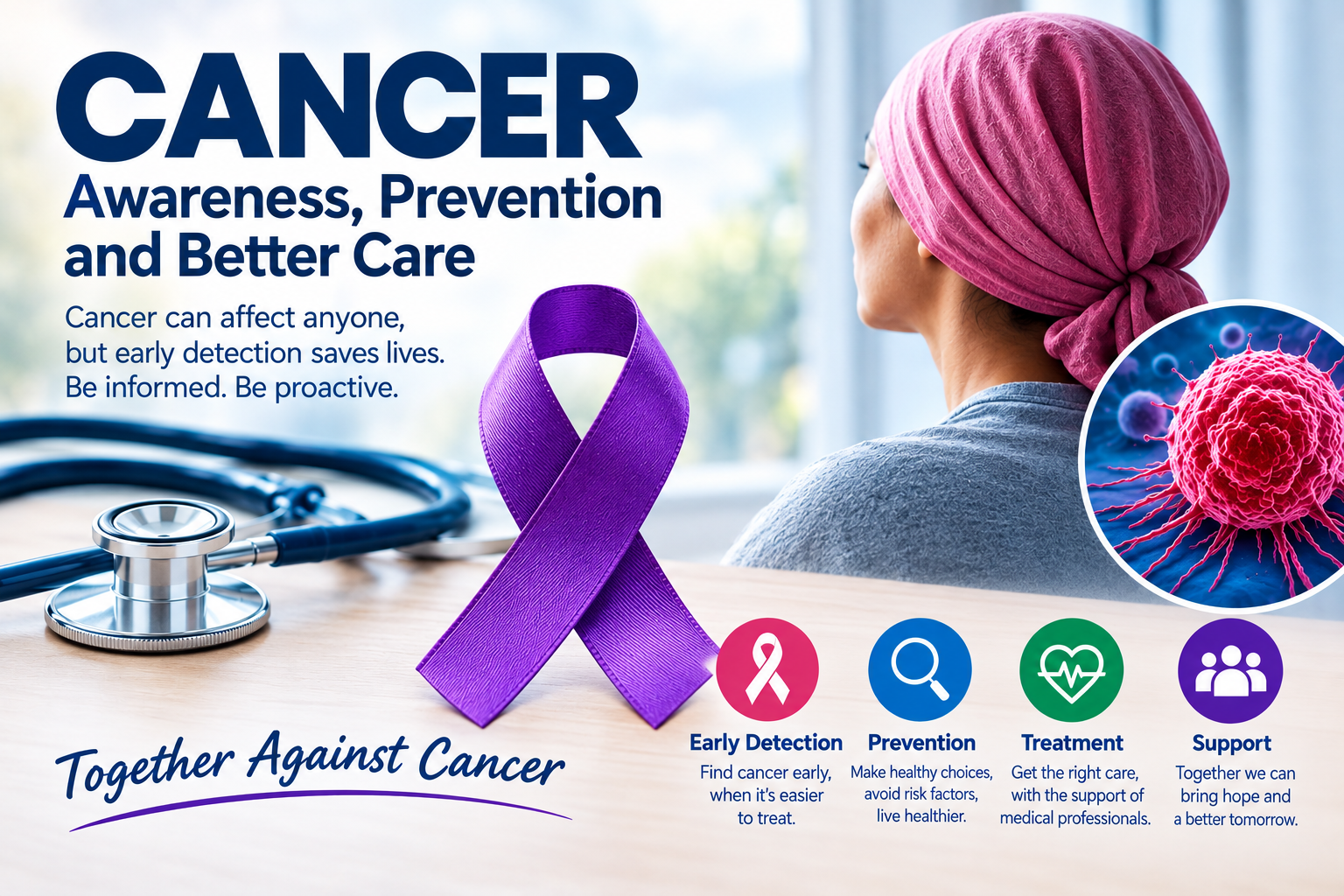
Cancer is a group of diseases in which abnormal cells grow uncontrollably and may invade nearby tissues or spread to other parts of the body. It remains a major global health challenge, affecting millions of people each year.
Understanding cancer, including its common types, causes, symptoms, and treatment options, can help people make informed decisions about their health. Although a cancer diagnosis can be frightening, many cancers can be treated successfully, particularly when detected early.
This guide explains the main types of cancer, important risk factors, possible warning signs, diagnostic methods, treatment options, and practical steps that may help reduce the risk of certain cancers.
What Is Cancer? 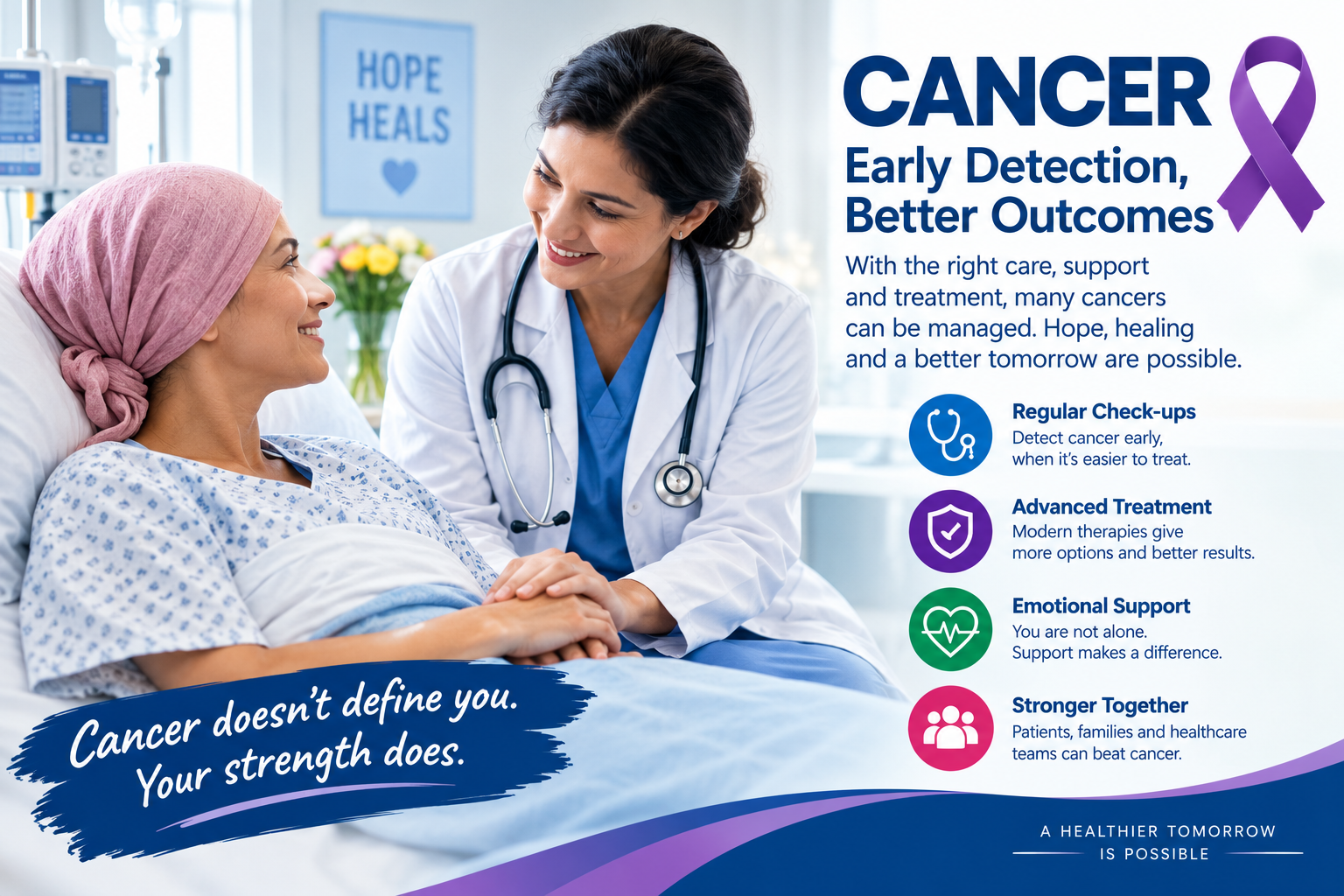
Cancer develops when changes in cells cause them to grow and divide in an uncontrolled way. Normally, the body regulates cell growth, repairs damaged cells, and removes cells that are no longer needed. Cancer cells can escape these normal controls.
As the abnormal cells multiply, they may form a mass called a tumor. However, not every tumor is cancerous. Benign tumors do not invade nearby tissues or spread to distant parts of the body, while malignant tumors can invade surrounding tissues and sometimes spread elsewhere.
The spread of cancer from its original location to another part of the body is called metastasis.
According to the World Health Organization (WHO), cancer includes many different diseases that can affect almost any organ or tissue. Understanding the specific type of cancer is essential because treatment and outcomes vary considerably.
Common Types of Cancer 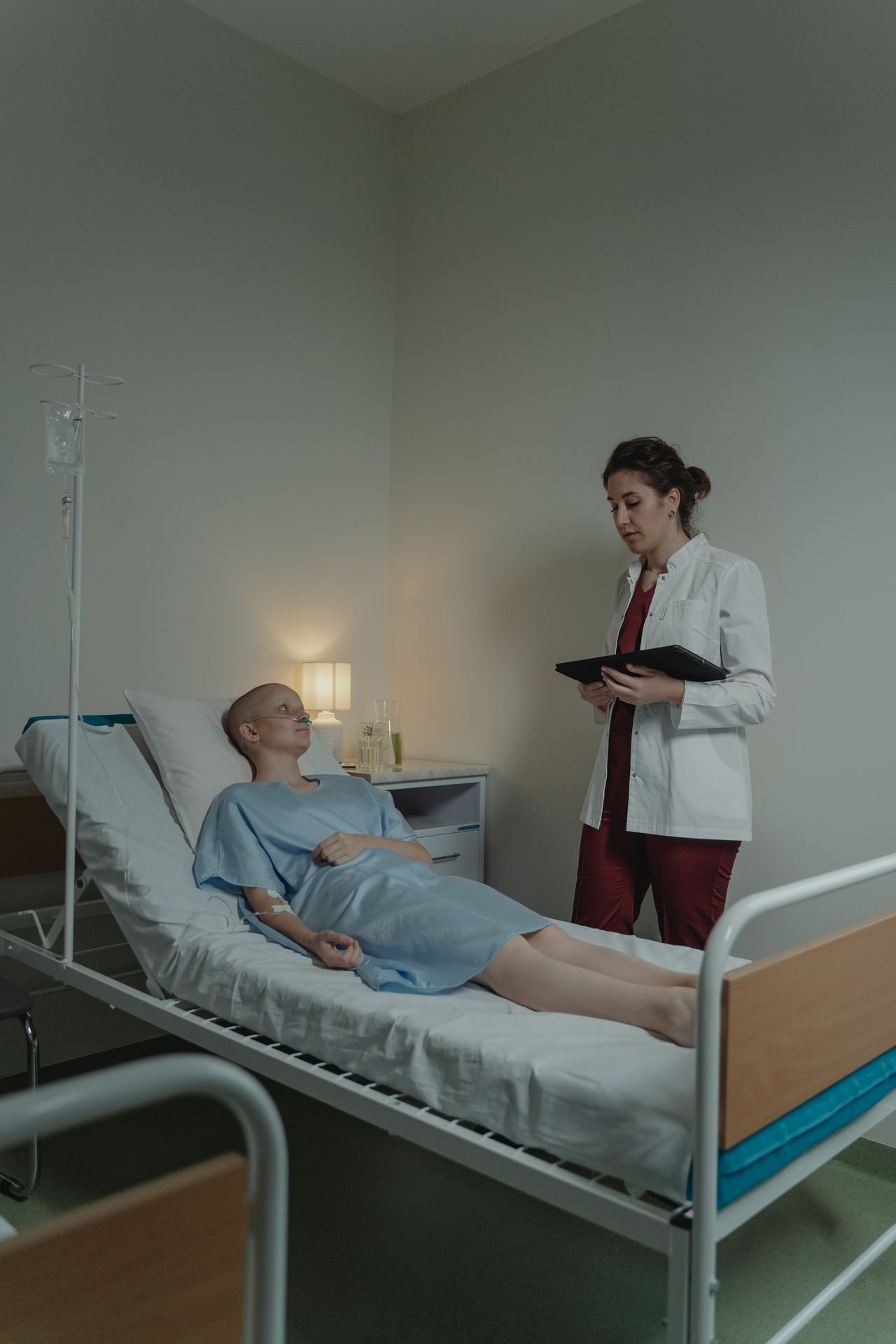
Cancer is classified according to the tissues or cells where it begins. Some types are more common than others, and each has distinct characteristics.
1. Breast Cancer
Breast cancer develops when abnormal cells in breast tissue grow uncontrollably. Although it occurs most often in women, men can also develop breast cancer.
Possible warning signs include a new breast lump, changes in breast shape, skin changes, or unusual nipple discharge. Some people have no noticeable symptoms during the early stages.
Medical evaluation is important when a new or unusual breast change appears. Screening recommendations depend on factors such as age, personal history, and local medical guidance.
2. Lung Cancer
Lung cancer begins in the tissues of the lungs. Tobacco smoking is a major risk factor, although people who have never smoked can also develop this disease.
Other risk factors include exposure to secondhand smoke, air pollution, radon, and certain workplace substances.
Possible symptoms include a persistent cough, coughing up blood, chest discomfort, shortness of breath, or unexplained weight loss. These symptoms can also result from other conditions, so a medical assessment is necessary to determine the cause.
3. Colorectal Cancer
Colorectal cancer affects the colon or rectum, which are parts of the digestive system. Some cases develop from abnormal growths called polyps, although not all polyps become cancerous.
Possible warning signs include blood in the stool, changes in bowel habits, abdominal discomfort, unexplained weight loss, or persistent fatigue.
Screening can help detect certain colorectal cancers or precancerous changes before symptoms develop. The appropriate screening method and starting age depend on individual risk and local medical recommendations.
4. Prostate Cancer
Prostate cancer develops in the prostate gland, which is part of the male reproductive system. Many cases grow slowly, while some forms are more aggressive.
Early prostate cancer may not cause noticeable symptoms. When symptoms occur, they can include difficulty urinating, a weak urine stream, or blood in the urine or semen.
These symptoms do not automatically indicate cancer. A healthcare professional can explain whether testing is appropriate based on age, medical history, and individual risk.
5. Skin Cancer
Skin cancer develops when abnormal cells grow in the skin. Major types include basal cell carcinoma, squamous cell carcinoma, and melanoma.
Exposure to ultraviolet radiation from sunlight or tanning devices increases the risk of several types of skin cancer.
Warning signs include a new skin growth, a sore that does not heal, or a mole that changes in size, shape, or color. Changes in an existing skin mark should be assessed by a qualified healthcare professional.
What Causes Cancer?
There is no single cause of all cancers. Cancer develops through changes in the genetic material that controls how cells function and reproduce. These changes may accumulate over time or result from inherited genetic variations, environmental exposures, and other biological processes.
Having a risk factor does not mean that someone will definitely develop cancer. Likewise, some people develop cancer without having an obvious risk factor.
Major Cancer Risk Factors
Tobacco use: Cigarettes and other tobacco products contain substances that can damage cells and increase the risk of several cancers.
Age: The likelihood of developing many types of cancer increases with age because harmful cellular changes can accumulate over time.
Family history and inherited genes: Some inherited genetic changes increase the risk of particular cancers. However, most cancers are not directly inherited from a parent.
Unhealthy lifestyle patterns: Physical inactivity, excess body weight, and certain dietary patterns can contribute to the risk of some cancers.
Ultraviolet radiation: Excessive exposure to ultraviolet radiation can damage skin cells and increase the risk of skin cancer.
Certain infections: Human papillomavirus (HPV), hepatitis B, and hepatitis C infections are associated with specific cancers.
Environmental and occupational exposures: Air pollution and certain chemicals or substances encountered at work can increase the risk of particular cancers.
The WHO cancer information page provides further information about established risk factors and prevention.
Common Symptoms of Cancer
Cancer symptoms depend on the type of cancer, its location, and how advanced it is. Some cancers cause noticeable changes early, while others may develop without clear symptoms.
Possible warning signs include:
- A new lump or swelling that does not go away.
- Unexplained weight loss.
- Persistent fatigue without an obvious cause.
- Unusual bleeding or bruising.
- A cough or hoarse voice that persists.
- Changes in bowel or bladder habits.
- Difficulty swallowing.
- A sore that does not heal.
- Changes in the size, shape, or color of a mole.
- Persistent pain or discomfort without a clear explanation.
These symptoms are not proof of cancer. Many common illnesses can cause similar problems.
However, symptoms that persist for several weeks, worsen over time, or involve unusual bleeding should be evaluated by a healthcare professional. Some cancers do not cause pain in their early stages, so waiting for pain is not a reliable way to determine whether something is wrong.
The National Cancer Institute’s guide to cancer symptoms provides additional information.
How Is Cancer Diagnosed?
Cancer diagnosis involves medical assessment and, when appropriate, specialized tests. The process depends on the suspected cancer and the person’s symptoms and medical history.
1. Medical History and Physical Examination
A healthcare professional may ask about symptoms, how long they have been present, family history, and possible risk factors. A physical examination may help identify abnormalities that require further investigation.
2. Imaging Tests
Imaging methods can help doctors examine internal organs and identify suspicious areas. Depending on the situation, tests may include ultrasound, X-rays, computed tomography (CT), magnetic resonance imaging (MRI), or other specialized scans.
Imaging findings alone do not always establish a cancer diagnosis.
3. Laboratory Tests
Blood and urine tests may help assess general health, investigate symptoms, or provide information relevant to a suspected cancer. However, routine blood tests cannot reliably detect every type of cancer.
4. Biopsy
A biopsy involves taking a sample of tissue or cells for examination. In many cases, it is the main method used to confirm whether a suspicious growth is cancerous.
5. Cancer Staging
After diagnosis, doctors may determine the stage of the cancer. Staging describes how large the cancer is and whether it has spread to nearby tissues, lymph nodes, or distant organs.
The results help the medical team select an appropriate treatment plan.
Cancer Treatment Options
Cancer treatment depends on several factors, including the type of cancer, its stage, the person’s overall health, available medical resources, and personal preferences.
Some patients receive one treatment, while others need a combination of approaches.
Surgery
Surgery involves removing cancerous tissue when it is possible and medically appropriate. It may be used to remove a tumor, examine nearby tissues, or relieve certain symptoms.
Surgery is not suitable for every cancer, particularly when the disease has spread extensively or when the tumor cannot be removed safely.
Chemotherapy
Chemotherapy uses medicines to destroy cancer cells or slow their growth. It may be used before surgery, after surgery, or as part of treatment for cancer that has spread.
Side effects vary according to the medicines used and may include fatigue, nausea, hair loss, and increased susceptibility to infections.
Radiation Therapy
Radiation therapy uses high-energy radiation to damage cancer cells. It may be used to treat a tumor, reduce the chance of recurrence, or relieve symptoms.
Possible side effects depend on the treatment area and may include skin irritation and tiredness.
Immunotherapy
Immunotherapy helps the immune system recognize or attack cancer cells. It can be effective for certain cancers, but it does not work for every patient or cancer type.
Some immunotherapies can cause immune-related side effects that require medical monitoring.
Targeted Therapy
Targeted therapy focuses on particular molecules or changes involved in cancer growth. Doctors may use laboratory testing to determine whether a cancer has a feature that makes it suitable for a specific targeted medicine.
Not every cancer has an appropriate target for these treatments.
Hormone Therapy
Some breast and prostate cancers depend on hormones to grow. Hormone therapy can block hormone production or prevent hormones from acting on cancer cells.
It is useful only for cancers that respond to the relevant hormonal treatment.
Palliative and Supportive Care
Palliative care focuses on relieving symptoms, reducing suffering, and improving quality of life. It can be provided alongside cancer treatment and is not limited to the final stages of life.
Supportive care may also address nutrition, emotional well-being, pain, treatment side effects, and practical challenges.
For more information, see the National Cancer Institute’s overview of cancer treatments.
How Can You Reduce the Risk of Cancer?
It is not possible to prevent every cancer. Some risk factors cannot be changed, and cancer can develop even in people who follow healthy habits. Nevertheless, evidence-based preventive measures can reduce the risk of several cancers.
Avoid Tobacco
Avoid smoking and other tobacco products. People who smoke can benefit from quitting at any age. Avoiding secondhand smoke is also important.
Maintain a Healthy Lifestyle
Regular physical activity, a balanced diet, and maintaining a healthy weight can help reduce the risk of certain cancers.
Aim to eat a variety of vegetables, fruits, whole grains, and other nutritious foods. Limit highly processed foods and excessive consumption of processed meat as part of a balanced dietary pattern.
No individual food or diet can guarantee protection against cancer.
Protect Your Skin
Reduce excessive ultraviolet exposure by seeking shade, wearing protective clothing, and using suitable sunscreen when available. Pay attention to unusual changes in your skin.
Consider Recommended Vaccinations
Vaccination against HPV and hepatitis B can help prevent infections associated with certain cancers.
Eligibility, vaccine schedules, and availability vary by age, country, and medical circumstances. Ask a qualified healthcare professional about appropriate vaccination.
Attend Appropriate Screening
Cancer screening looks for certain cancers or precancerous changes before symptoms appear. Examples include cervical cancer screening and breast cancer screening for eligible individuals.
Screening recommendations vary according to age, personal risk, local guidelines, and available services. Screening tests can have limitations, including false-positive and false-negative results, so discuss their benefits and risks with a healthcare professional.
Seek Medical Advice About Persistent Symptoms
Do not ignore unexplained symptoms that persist or worsen. Early medical evaluation can help identify the cause and may allow cancer to be diagnosed at a more treatable stage.
The WHO explains additional evidence-based approaches in its cancer prevention guidance.
Living With Cancer: Practical Support
A cancer diagnosis can affect physical health, emotional well-being, family relationships, and finances. Patients and their families may need support throughout diagnosis, treatment, and recovery.
Practical steps include:
- Understand the diagnosis: Ask the medical team about the exact cancer type, stage, and available treatment options.
- Prepare questions: Write down concerns before appointments and ask about expected benefits, side effects, costs, and follow-up care.
- Seek reliable information: Use established medical sources rather than unverified claims on social media.
- Build a support network: Family members, friends, counselors, and patient support groups may help with emotional and practical needs.
- Discuss financial concerns: Ask the hospital or treatment provider about costs, available assistance, and possible treatment alternatives.
- Follow the care plan: Attend appointments and discuss side effects or new symptoms with the treating team.
Patients should tell their healthcare professionals about any vitamins, herbal products, or alternative treatments they use. Some products can interact with cancer medicines or interfere with treatment.
A healthy diet and emotional support may improve well-being, but they should not replace evidence-based cancer treatment.
Frequently Asked Questions About Cancer
1. Is cancer always fatal?
No. Cancer is not always fatal. Some cancers can be cured, and many others can be managed for extended periods. Outcomes depend on the cancer type, stage, available treatment, and individual circumstances. Early diagnosis and appropriate treatment can improve outcomes for many cancers.
2. What are the first signs of cancer?
There is no single first sign of cancer. Possible warning signs include a new lump, unexplained weight loss, unusual bleeding, persistent fatigue, changes in bowel habits, or a sore that does not heal. Many of these symptoms have non-cancerous causes, but persistent or worsening changes should be medically assessed.
3. Can cancer be prevented?
Some cancers can be prevented, but not all. Avoiding tobacco, maintaining a healthy weight, exercising regularly, protecting the skin from excessive ultraviolet radiation, receiving recommended vaccines, and attending appropriate screening can help reduce the risk of certain cancers.
4. What is the most effective treatment for cancer?
There is no single treatment that works best for every cancer. Surgery, chemotherapy, radiation therapy, immunotherapy, targeted therapy, and hormone therapy may be used individually or in combination. The appropriate treatment depends on the diagnosis and should be determined with a qualified cancer care team.
5. Can young people develop cancer?
Yes. Cancer can occur at any age, including childhood and young adulthood, although many cancer types are more common in older adults. Persistent unusual symptoms in young people should not automatically be dismissed because of their age.
Conclusion
Cancer is a broad group of diseases with different causes, symptoms, and treatment options. Understanding the common warning signs, recognizing important risk factors, and seeking timely medical advice can help people make informed decisions about their health.
Although no prevention strategy eliminates every risk, avoiding tobacco, maintaining healthy habits, considering recommended vaccinations, and attending appropriate screening can reduce the likelihood of certain cancers.
A cancer diagnosis does not mean that treatment is impossible. Many cancers respond well to treatment, especially when detected early. Reliable medical information, professional guidance, and appropriate support remain essential for people affected by the disease.
Medical disclaimer: This article is for educational purposes only and is not a substitute for professional medical advice, diagnosis, or treatment. Anyone with concerning symptoms or questions about cancer screening should consult a qualified healthcare professional.
Friends, an engaging article about HIV/AIDS is available here for you; if you are interested, click the link to read it. https://kaskeymarketer.com/hiv-aids/